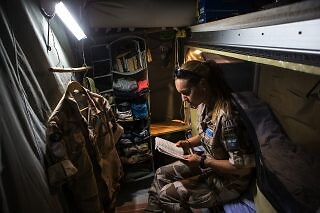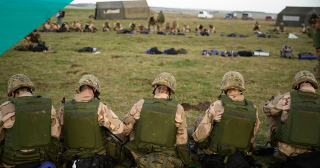
One of the key objectives of the WPS agenda is to integrate a gender perspective into all peace and security efforts. A comprehensive gender analysis should include men and masculinities.
Tag: women peace and security
-
-
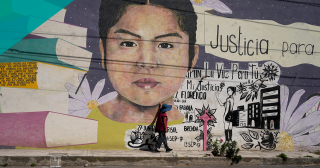
The application of the WPS agenda has been hindered in places in Central America and the Caribbean that are not formally experiencing armed conflicts, but are nevertheless marred by violence.
-
Special political missions present a unique opportunity to advance the WPS agenda.
-
Understanding how gender narratives are exploited by far-right violent extremists is a pressing multilateral policy issue.
-
Last month during the general debate of the United Nations (UN) General Assembly, India’s Minister S Jaishankar made a remark about how Western states invoke respect for the UN Charter and advocacy for a rules-based order. “For all the talk, it is still a few nations who shape the agenda and seek to define the […]
-
Without accountability and the meaningful participation of local actors, the transformative potential of Mexico’s FFP remains limited.
-
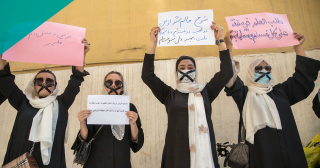
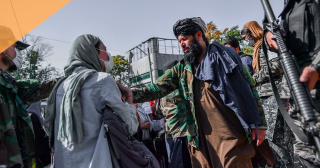
Heather Barr, Associate Director of the women’s rights division at Human Rights Watch, shares insights from her continued work with Afghan women’s rights defenders following the Taliban takeover.
-
Bold language on transforming patriarchy is not matched with concrete proposals to advance the WPS agenda and gender equality more broadly.
-
The adoption of FFPs in Latin America is an opportunity to see how the region reimagines international feminist agendas and translates local feminist advocacy to the international arena.
-
Updates to the COE manual addressing some of the particular obstacles faced by women peacekeepers are a tangible step toward meeting gender parity goals in UN peacekeeping operations.