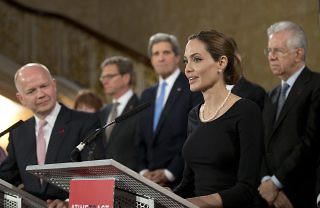
Crucially, the UK’s position as one of the five permanent members on the UN Security Council helped create a new understanding of threats to international peace and security.
Author: Sara E. Davies
-
-
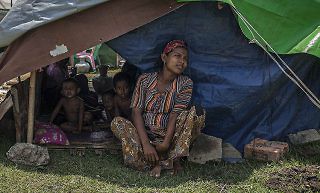
The culture of silence around the treatment of Rohingya and other ethnic groups in Myanmar poses some important questions.
-
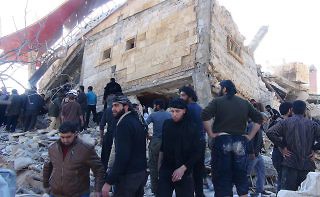
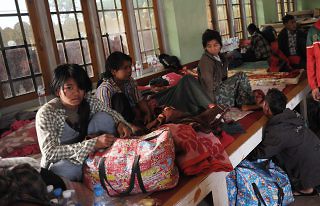
In what was a major breakthrough by the ICRC, MSF, and other advocates of greater protection of health services during conflict, the United Nations Security Council on May 3 convened its second meeting on the protection of humanitarian workers, specifically looking at healthcare professionals and medical facilities.
-
What cannot be doubted is that more than half the population in Myanmar has had little formal opportunity to engage in the peace or parliamentary process.
-
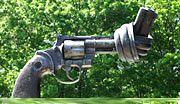
The current text of the Arms Trade Treaty provides loopholes for including acts of sexual and gender-violence in Article 4, but the Australian government is well-positioned to help change that.