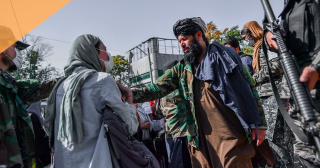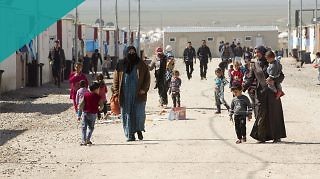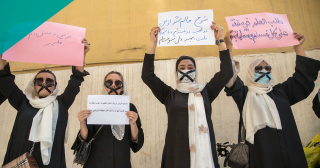
Heather Barr, Associate Director of the women’s rights division at Human Rights Watch, shares insights from her continued work with Afghan women’s rights defenders following the Taliban takeover.
Author: Phoebe Donnelly
-
-
Bold language on transforming patriarchy is not matched with concrete proposals to advance the WPS agenda and gender equality more broadly.
-
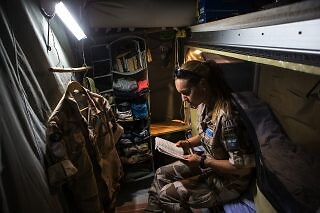
Updates to the COE manual addressing some of the particular obstacles faced by women peacekeepers are a tangible step toward meeting gender parity goals in UN peacekeeping operations.
-
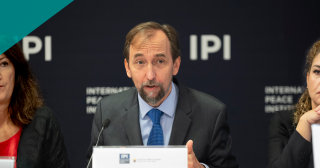
In this first interview since being appointed president and CEO of the International Peace Institute (IPI) in March 2020, Zeid Ra’ad Al Hussein shares his views on the Women, Peace and Security agenda and the role of the United Nations.
-
The COVID-19 pandemic and growing recognition of climate-related security risks have presented the international community with an opportunity to reevaluate what is considered a threat to international peace and security, and how gender should be included in the response.
-
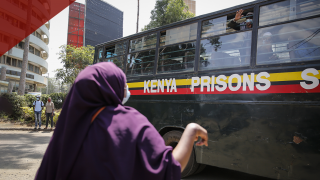
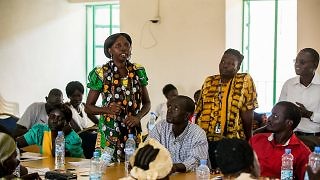
Rehema Zaid, an activist in Kenya, discusses the experiences of local actors working on gender and preventing and countering violent extremism (P/CVE).
-
Many within the UN community are not clear on what a gender analysis entails.
-
WPS practitioners and policymakers have real concerns about the ways in which P/CVE policies could harm women.
-
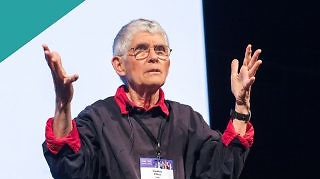
Dr. Enloe talks about the state of the WPS agenda, how to ensure it is not overly-simplified and narrowed, and how its advocates can continue to remain hopeful and curious feminists.
-
The 20th anniversary of resolution1325 is not just a moment to reflect on the past, but represents an opportunity to look toward the future.