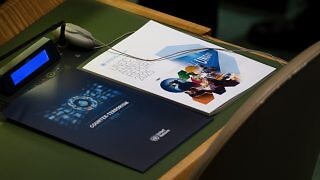
For the first time in the history of the United Nations Global Counter-Terrorism Strategy, consensus has fractured. On July 1st, the General Assembly adopted the Strategy’s ninth review resolution by a vote rather than by consensus, with 141 member states voting in favor and the United States, Israel, and Argentina voting against. As the Strategy […]
Author: Franziska Praxl-Tabuchi
-
-
Around the world, states are using UN resolutions, policy guidance, and technical assistance to justify mounting human rights violations, frequently targeting activists and civil society groups. While there is a common desire to see the UN correct its course, for many in civil society, the risks and costs of such engagement currently may not be worth the benefits on offer.
-
Even though civil society has been impacted by the UN counterterrorism architecture, opportunities for a broad range of civil society actors to meaningfully engage with counterterrorism programming and policy-making remain limited at best.